[RO][scroll down for English version]
Un loc îți pune pe masă povești despre propria sa devenire, despre felul în care s-a construit și transformat, dar mai ales despre oamenii care și-au petrecut o viață în el. Case și grădini, astăzi nelocuite, păstrează fragmente din viețile celor care au trecut prin ele: urme de zugrăveală, obiecte uitate, pereți care încă poartă semnele unei lumi mai de ieri, de alaltăieri. Uneori, un loc îți oferă chiar surpriza de a găsi pe stradă viața cuiva adunată într-o cutie, aruncată atunci când o casă este golită de lucrurile fostului ei proprietar.
Pe de altă parte, oamenii din propria viață dispar și ei, lăsând în urmă grădini pe care le-au cultivat, cu pomi, fructe și flori care i-au cunoscut și pe care le-ai cunoscut și tu. Lasă case, grădini, obiecte, farfurii și tacâmuri așezate pe o masă la care nu se mai așează nimeni. Lucrurile continuă să existe, uneori îngrijite și păstrate, alteori abandonate, purtând în materialitatea lor semnele gesturilor cotidiene și ale vieților din care au făcut parte.
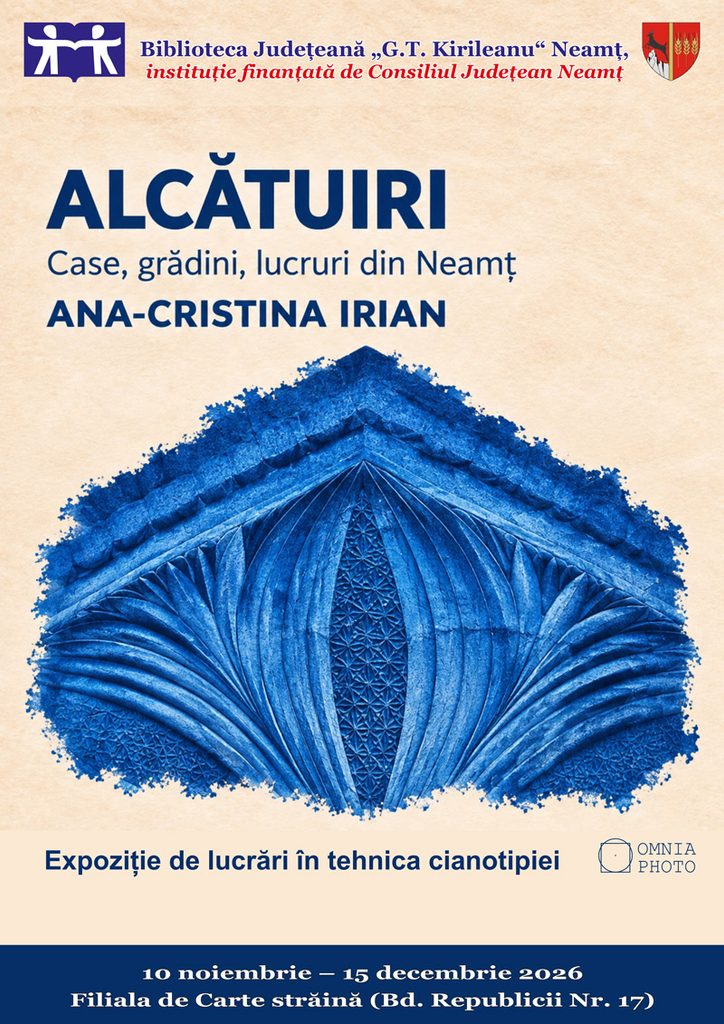
În Alcătuiri sunt explorate sufletele dinăuntrul și din afara a opt case din Piatra Neamț și Bistrița, printr-o cercetare artistică desfășurată de-a lungul ultimilor șapte ani. Pereții, grădinile și obiectele devin mărturii ale unor universuri domestice, ale căror fragmente sunt adunate și recompuse în forme care evocă spațiile locuite, gesturile de fiecare zi și comensalitatea.
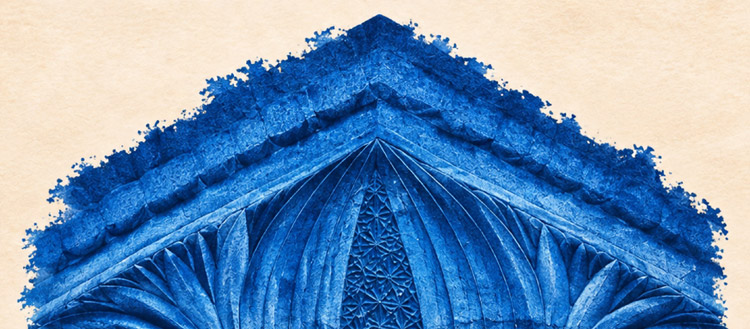
Alegerea cianotipiei nu este întâmplătoare. Apărut în secolul al XIX-lea, acest procedeu fotografic, economic și relativ simplu, a fost utilizat pentru realizarea copiilor de lucru, a imaginilor fotografice de amator și, mai târziu, pentru reproducerea planurilor de arhitectură și a desenelor tehnice. Multă vreme situată la marginea practicilor fotografice considerate prestigioase, cianotipia își găsește aici o nouă întrebuințare, apropiată de materialitatea și modestia lucrurilor cotidiene. Un procedeu folosit cândva pentru a reproduce planurile construcțiilor este utilizat acum pentru a recompune fragmente din viețile celor care le-au locuit.
Imaginile și amprentele obiectelor sunt transpuse pe hârtie, pe fragmente reconstruite și pe suprafețe textile de mari dimensiuni, care amintesc de păretarele și covoarele ce decorau odinioară interioarele caselor. Aceste forme aduc împreună suprafețele locuirii și lucrurile care le-au populat, transformând fragmentele unor existențe cotidiene în noi alcătuiri vizuale și materiale.
Între obiectul păstrat și cel abandonat, între grădina încă îngrijită și casa rămasă nelocuită, lucrările propun noi alcătuiri ale unor lumi care continuă să existe prin ceea ce oamenii au lăsat în urmă.
[EN]
A place lays out stories of its own becoming – of how it was built and transformed, but above all, of the people who spent their lives there. Houses and gardens, now uninhabited, preserve fragments of the lives of those who once passed through them: traces of wall paint, forgotten objects, walls that still bear the marks of a world not so long gone. Sometimes, a place offers an unexpected discovery: someone’s life gathered into a box and discarded on the street as a house is emptied of its former occupant’s belongings.
At the same time, people from our own lives disappear, leaving behind the gardens they tended, with trees, fruits, and flowers that knew them and that we, too, once knew. They leave behind houses, gardens, objects, plates, and cutlery arranged on a table where no one sits anymore. Things continue to exist, sometimes cared for and preserved, sometimes abandoned, carrying within their materiality the traces of everyday gestures and the lives of which they were once part.
Assemblages explores how walls, gardens, and objects preserve the lives and presences within and around eight houses in Piatra Neamț and Bistrița. Developed over the past seven years as an artistic research project, it gathers fragments of domestic worlds and reassembles them into forms that evoke inhabited spaces, everyday gestures, and the act of sharing a meal.
The choice of cyanotype is deliberate. Emerging in the nineteenth century, this inexpensive, relatively simple photographic process produced working copies, amateur images, and, later, reproductions of architectural plans and technical drawings. Long situated at the margins of photographic practices considered prestigious, cyanotype now serves a purpose closely tied to the materiality and modesty of everyday things. A process once used to reproduce building plans now reassembles fragments of the lives of those who inhabited the buildings.
Images and impressions of objects are transferred onto paper, reconstructed fragments, and large-scale textile surfaces reminiscent of the decorative wall hangings and woven rugs that once adorned domestic interiors. These forms bring together the surfaces of dwelling and the things that once populated them, transforming fragments of everyday existence into new visual and material assemblages.
Between the object that has been preserved and the one that has been abandoned, between the garden still tended and the house left uninhabited, the works propose new assemblages of worlds that continue to exist through what people have left behind.